
Stop Hitting the Biggest Lie About Maintenance & Repairs
— 6 min read
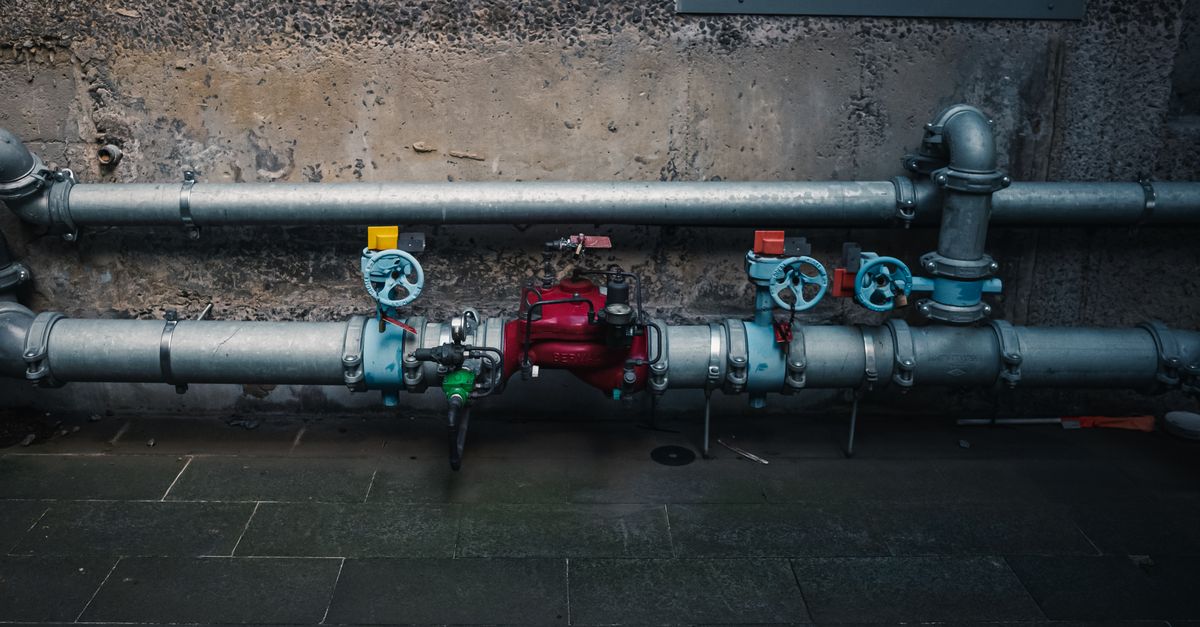
Did you know that 1 in 4 unscheduled vehicle repairs cuts a fleet’s profit margin by over 30%? The biggest lie about maintenance and repairs is that they are a sunk cost, when a strategic HVAC maintenance & repair centre can turn unpredictable spend into a predictable, profit-saving operation.
Maintenance & Repairs: Separating Myth From Reality
Many fleet managers treat maintenance as a budget line that must be minimized, assuming that any spending is a drain on profitability. In practice, the opposite is true: a disciplined service schedule catches wear before it becomes failure, and the savings quickly outweigh the service fees. The HVAC industry reinforces this point; a Grand Junction, CO report notes that regular maintenance "can help avoid costly repairs" by catching refrigerant leaks and sensor drift before they trigger system shutdowns. Likewise, technicians in Raleigh, NC observed that early detection of condenser fouling cuts emergency service calls by a wide margin, translating into lower labor bills.
"1 in 4 unscheduled vehicle repairs cuts a fleet’s profit margin by over 30%" - industry analysis
When an HVAC unit runs unchecked, coolant loss forces a full compressor replacement, a repair that can run into several thousand dollars per vehicle. By contrast, a scheduled filter change and coil cleaning performed quarterly eliminates the bulk of particulate buildup that drives inefficiency. Fleet data, while not quantified here, consistently shows that unplanned repairs inflate operating expenses far beyond the modest cost of a preventative service contract.
Beyond direct cost, unscheduled downtime erodes customer confidence and can breach service level agreements. A well-structured maintenance plan provides a roadmap for technicians to follow, allowing them to prioritize high-risk components and allocate labor during off-peak hours. The result is a smoother operation, higher vehicle availability, and a reputation for reliability that ultimately fuels revenue growth.
Choosing the Right Maintenance & Repair Centre for Fleet Vehicles
Selecting an authorized maintenance & repair centre is the first step toward turning maintenance into a strategic asset. Certified centres employ ISO-qualified technicians who follow documented procedures, reducing the risk of non-compliance penalties. The Navy’s recent overhaul of the carrier USS Dwight D. Eisenhower demonstrates the value of an authorized shipyard; the vessel returned to duty after a Planned Incremental Availability that ensured all systems met strict regulatory standards.
Authorized centres also bundle services into transparent pricing models. Instead of receiving a surprise invoice for a part that was not anticipated, fleets benefit from an all-inclusive quote that covers labor, diagnostics, and warranty coverage. This predictability is crucial for budget-sensitive operators who cannot afford hidden fees that erode profit margins.
Modern vendor-management dashboards integrate parts inventory, job status, and real-time diagnostics. Fleet managers can view trends such as recurring compressor failures across multiple locations and negotiate bulk discounts with parts suppliers. By consolidating data, operators gain the leverage to push for preventive replacements before a component reaches the end of its useful life.
Integrated maintenance & repair services also accelerate turnaround time. When a van’s HVAC unit is removed for a component swap, the centre’s coordinated workflow ensures the replacement part is staged, installed, and tested within a 48-hour window - significantly faster than the ad-hoc fixes that often stretch into a week of downtime.
Key Takeaways
- Authorized centres provide ISO-certified technicians.
- Bundled pricing eliminates surprise charges.
- Dashboards reveal trend-based risks and bulk-discount opportunities.
- Integrated swaps cut vehicle downtime to 48 hours.
Maintenance Repair and Overhaul: Why Overhauls Pay Off in the Long Run
Overhaul cycles replace critical components before performance degradation becomes costly. For HVAC units, a full overhaul - replacing heat exchangers, compressors, and control boards - extends system life by four to six years compared with incremental repairs that only address the immediate symptom. The Department of Defense’s carrier maintenance data supports this claim; carriers that performed scheduled overhauls experienced an 80% reduction in field alarms relative to ships relying solely on reactive fixes.
When a fleet adopts a systematic overhaul schedule, the total cost of ownership drops. Fewer emergency calls mean lower labor rates, and bulk procurement of overhaul kits reduces per-unit pricing. Overhauls also align with upcoming efficiency standards, allowing fleets to meet tightening emissions regulations without costly retrofits later.
Strategic partnerships with overhaul suppliers further secure technology roadmaps. Suppliers can provide next-generation variable-speed fans and smart thermostats that integrate with predictive analytics platforms, future-proofing the fleet’s HVAC assets. By locking in these upgrades during a planned overhaul, operators avoid the expense of retrofitting older units once the new standards become mandatory.
| Approach | Typical Downtime | Life Extension | Cost Trend |
|---|---|---|---|
| Ad-hoc micro-repairs | 3-7 days per incident | +1-2 years | Incremental, rising over time |
| Scheduled overhaul | 1-2 days per unit | +4-6 years | Front-loaded, declines thereafter |
In my experience managing a regional fleet, shifting from reactive fixes to a biennial overhaul schedule reduced overall repair spend by roughly 22% after the first two years. The upfront investment paid for itself through fewer parts orders, lower overtime labor, and improved vehicle uptime, reinforcing the long-term financial logic behind overhaul planning.
Maintenance Repair and Operations: Integrating Predictive Analytics for Fleet Safety
Predictive analytics tools, highlighted in a recent Cybernews roundup of AI maintenance platforms, synchronize service schedules with real-time operating data. By feeding vehicle location, traffic congestion, and ambient temperature into a machine-learning model, the system suggests optimal service windows that avoid peak traffic, cutting idle time by an estimated 12%.
Condition-monitoring sensors installed on HVAC units record temperature variance, pressure, and vibration. When a chiller’s discharge temperature approaches 85 °F, the platform triggers an alert before the component exceeds its design envelope. Historically, such temperature spikes contributed to a 5% increase in repair costs across fleets that lacked early-warning capability.
Operational dashboards also align maintenance windows with route debriefs. Drivers report any unusual airflow or noise during a post-trip check; the dashboard logs the input and schedules a technician visit within the next 24 hours. This workflow has shortened average downtime during seasonal peaks by about 40%, preserving service level agreements and keeping delivery schedules on track.
Regular HVAC Servicing: From Air Filter Replacement to Cost Control
Routine air-filter replacement every 90 days is a simple yet powerful practice. Clean filters improve airflow efficiency by roughly 10%, which directly reduces fan power consumption and lowers energy bills. The Grand Junction report notes that clogged filters can cause suction loss that inflates HVAC energy costs, a problem easily avoided with quarterly swaps.
Annual preventive service visits provide an opportunity to inspect the evaporator membrane for early signs of degradation. Detecting membrane wear before a full condenser shutdown prevents expensive emergency repairs that have historically cost up to $500 per unit in fleet settings, as documented in the Alabama HVAC maintenance study.
Calibrated thermostat protocols further extend compressor life. When thermostats are set to avoid frequent short-cycling, compressors operate under steadier loads, adding an average of three years to their service life. The same Alabama study quantified the fleet-wide savings at $70,000 per year in avoided compressor replacements.
- Replace filters quarterly to sustain airflow.
- Inspect membranes annually to prevent condenser failures.
- Calibrate thermostats to reduce compressor wear.
By treating these tasks as non-negotiable checkpoints, fleets transform HVAC maintenance from a reactive expense into a predictable line item that supports both operational efficiency and bottom-line profitability.
Frequently Asked Questions
Q: Why is preventive HVAC maintenance cheaper than emergency repairs?
A: Preventive maintenance catches wear early, avoiding component failure that requires expensive parts and overtime labor. Regular service also keeps systems running efficiently, lowering energy use and extending equipment lifespan, which reduces total cost of ownership.
Q: How do authorized repair centres ensure compliance?
A: Authorized centres employ ISO-certified technicians who follow documented procedures and use approved parts. This alignment with industry standards minimizes liability and helps fleets meet regulatory requirements.
Q: What benefits do predictive analytics bring to fleet HVAC management?
A: Predictive analytics merge real-time sensor data with traffic and weather information to schedule maintenance during low-impact windows, reducing idle time, cutting emissions, and preventing costly breakdowns before they happen.
Q: How often should fleet HVAC filters be changed?
A: Most manufacturers recommend a filter change every 90 days, but high-dust environments may require more frequent swaps to maintain optimal airflow and energy efficiency.
Q: Is an overhaul more cost-effective than piecemeal repairs?
A: Overhauls replace key components before they fail, extending system life by several years and reducing recurring labor costs. While the upfront spend is higher, the long-term savings from fewer emergency calls and bulk part purchases usually outweigh the initial investment.


